
Ocean Path Trail
Walk Acadia's edge where granite meets the Atlantic. This 2.2-mile trail connects Sand Beach to Otter Point along dramatic shoreline.
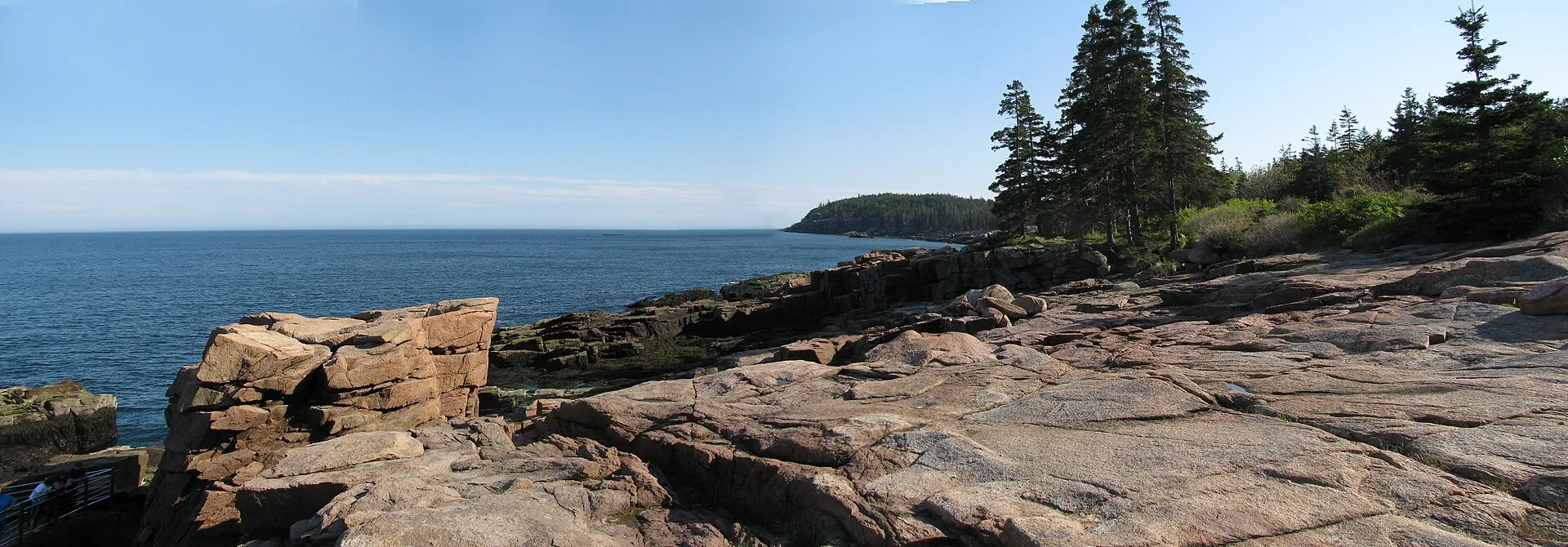
Ocean Path is Acadia’s easiest coastal walk, a 2.2-mile trail that traces the edge of the continent along pink granite cliffs and cobblestone beaches. From Sand Beach to Otter Point, the path delivers the essence of Maine’s coast without technical difficulty or significant elevation gain.
This is shoreline walking at its finest. Waves crash against Thunder Hole. Otter Cliff drops 110 feet to the surf below. The open Atlantic stretches to horizons that feel, on clear days, as if they might reach Europe. And unlike Acadia’s mountain trails, Ocean Path welcomes everyone: families with children, visitors who prefer strolling to scrambling, anyone who wants the Maine coast without the climb.
Closed section, as of September 2026
The National Park Service posted a closure on 28 August 2026: “Starting Aug 31, a section of Ocean Path will be closed for repairs from a trailhead across from the Otter Point parking lot to the trail’s southern terminus.” NPS has not published an end date. The Sand Beach to Thunder Hole to Otter Cliff stretch, which is the part most people come for, is unaffected. Check the park’s current conditions page before you go.
Trail Overview
The Basics
- Distance: 2.2 miles (one way)
- Elevation gain: Minimal (about 100 feet total)
- Difficulty: Easy
- Time: 1-2 hours (one way), depending on stops
- Surface: Packed gravel path with some rock sections
The Route
Ocean Path runs along the Park Loop Road between Sand Beach and Otter Point, passing several major attractions:
- Sand Beach (northern terminus)
- Thunder Hole
- Monument Cove
- Otter Cliff
- Otter Point (southern terminus)
The trail parallels the road, making it easy to access from multiple points or to walk one direction and catch the Island Explorer bus back.
Highlights Along the Path
Sand Beach
The trail begins (or ends) at Sand Beach, one of the few sandy beaches in Acadia. The sand here isn’t typical quartz; it’s composed largely of crushed shell and sea urchin fragments, giving it a distinctive texture and pink tint.
Swimming note: hardy souls swim here in summer, but NPS gives the water as 50-60°F and there are no lifeguards. Most visitors appreciate the beach from the shore.
Thunder Hole
Perhaps Acadia’s most famous feature, Thunder Hole is a small inlet where waves compress into a narrow channel, creating a thunderous boom and dramatic spray under the right conditions.
Best viewing:
- Incoming tide. NPS says the effect is best one to two hours before high tide
- Moderate swell (calm seas produce little effect)
- Safe distance (visitors have been swept in by unexpected waves)
Reality check: Thunder Hole often disappoints when conditions aren’t right. The dramatic photographs require specific tide and wave conditions. But when it works, the effect is spectacular.
Monument Cove
A protected cove accessible by a short spur trail. Good spot for exploring rock formations and watching waves in a more sheltered setting.
Otter Cliff
Rising 110 feet above the ocean, Otter Cliff is Acadia’s most impressive vertical drop to the sea. The cliff face is popular with rock climbers (by permit); for trail walkers, the viewpoint delivers genuine drama.
Views from the cliff:
- Straight down to crashing surf
- South along the coast toward Otter Point
- Open Atlantic to the horizon
Otter Point
The southern terminus of Ocean Path. Rocky peninsula with tide pools and views back toward Otter Cliff. A good turnaround point or place to catch the bus.
Practical Information
Getting There
By car: The Park Loop Road passes all Ocean Path access points. Parking available at:
- Sand Beach (largest lot, fills early in summer)
- Thunder Hole (smaller lot, very competitive)
- Otter Cliff (roadside parking)
- Otter Point (parking area)
By Island Explorer: The free bus system stops at all major points along Ocean Path. Catch the bus, walk the trail, ride back, an excellent car-free option.
When to Go
Best times:
- Early morning (fewer crowds, parking available)
- Late afternoon (golden light, thinning crowds)
- Shoulder season (May, September, October)
Peak crowds:
- Summer midday (10 AM - 4 PM)
- Weekends
- Holiday periods
For Thunder Hole: Check tide charts. NPS says the effect is best one to two hours before high tide.
What to Bring
- Comfortable walking shoes (path is easy but some rocky sections)
- Water
- Camera
- Layers (ocean air is cool even in summer)
- Binoculars (for seabirds and seals)
- Sunscreen
Accessibility
Do not plan this as an accessible route end to end. Ocean Path is not among the trails NPS lists on its Acadia accessibility page, which names Compass Harbor and the Jesup Path boardwalk instead. NPS describes trail surfaces across the park as ranging from “level, compacted soil to uneven, broken rocks and roots.” The firm, level surface runs from Sand Beach to Thunder Hole, roughly the first 0.7 miles. Past that the path turns uneven and there are granite staircases beyond Otter Cliffs. The Thunder Hole viewing area itself has railings and steps down to the lower platform.
Walking the Trail
Direction
Most people walk south (Sand Beach to Otter Point) because:
- Parking is easier at Sand Beach
- The drama builds toward Otter Cliff
- The bus pickup at Otter Point is convenient
Walking north is equally valid and may be less crowded.
Pace
This is a trail for lingering, not rushing. Allow time to:
- Watch waves at Thunder Hole (you might wait for a good one)
- Sit on granite ledges and contemplate the ocean
- Explore tide pools at low tide
- Photograph the endless compositions
Side Trips
The Beehive: Trailhead near Sand Beach. Iron rung trail for adventurous hikers (significantly more challenging than Ocean Path).
Gorham Mountain: Accessible from near Thunder Hole. Moderate hike with summit views.
Great Head: Loop trail from Sand Beach. More solitude, excellent views.
Wildlife
What You Might See
Seabirds:
- Cormorants drying wings on rocks
- Gulls riding air currents along cliffs
- Eiders in offshore waters
Marine mammals:
- Harbor seals on ledges and in water
- Occasional porpoises offshore
Tide pool creatures:
- Sea stars, urchins, anemones
- Crabs, snails, mussels
- (Observe, don’t disturb)
Photography Tips
Classic Shots
- Thunder Hole spray (requires timing and luck)
- Otter Cliff vertical drama
- Pink granite meeting blue water
- Sunrise from Sand Beach
- Sunset silhouettes at Otter Point
Technical Considerations
- Polarizing filter cuts glare on water
- Fast shutter freezes spray at Thunder Hole
- Long exposure smooths ocean for moody effects
- Wide angle captures coastal sweep
- Telephoto isolates seabirds and seals
Light
- Morning light hits the eastern-facing coast directly
- Midday can be harsh; use clouds as diffusers
- Late afternoon brings warm tones
- Overcast days reduce contrast and reveal colors
Seasonal Considerations
Summer
Peak visitation. Warmest weather. All facilities open. Parking lots fill by mid-morning. Island Explorer runs frequently.
Fall
Spectacular light. Fewer visitors after Labor Day. Migrating hawks overhead. Some facilities may have reduced hours.
Spring
Variable weather. Minimal crowds. Wildflowers in bloom. Some services may not yet be operating.
Winter
Trail remains open but can be icy. Dress for cold wind off the water. Dramatic storm watching when conditions allow. Very few visitors.
Safety
Wave Danger
People have died at Thunder Hole swept in by unexpected waves. The ocean here is powerful and unpredictable.
- Stay behind barriers and railings
- Never turn your back on the ocean
- Keep children close and supervised
- If a large wave comes, move back immediately
- Wet rocks are extremely slippery
Cliff Edges
Otter Cliff and other overlooks have significant drops. Stay on established paths and behind safety barriers.
Sun and Wind
The coast is exposed. Sun reflects off water; wind chills rapidly. Prepare for conditions cooler and more intense than inland.
The Experience
You leave Sand Beach and the trail curves along the shore. To your right, the Park Loop Road carries cars; to your left, the Atlantic spreads to the horizon. The path is easy underfoot, crushed gravel, occasional granite outcrops, nothing demanding.
But easy doesn’t mean ordinary. The coastline here is Maine at its most theatrical. Pink granite tumbles into cobalt water. Waves surge and retreat in endless rhythm. The air carries salt and the cry of gulls.
At Thunder Hole, you wait with other visitors for the ocean to perform. A wave comes, small boom, modest spray. Then another, bigger, louder, water launching skyward. Everyone laughs. The ocean, doing what it does, and we stand here marveling.
The trail continues south. The cliffs grow higher. At Otter Cliff, you stand at the railing and look straight down, 110 feet of granite dropping to churning water. It’s the view from an airplane, except you’re standing on solid ground and the earth simply ends.
Ocean Path delivers the Maine coast without demanding anything in return except attention. Walk slowly. Stop often. Let the horizon hold your gaze. This is why people come to Acadia, distilled to its essence: land meeting sea, and us, small and grateful, witnessing.
Ocean Path is the trail for everyone, accessible, spectacular, and quintessentially Acadian. Whether you walk the full 2.2 miles or simply stroll to Thunder Hole and back, the path reveals why this stretch of coast became America’s first national park east of the Mississippi.