
Birdwatching in Maine: A Beginner's Planning Guide
Updated
Maine’s position at the northern edge of the Atlantic Flyway and the southern edge of the boreal forest creates exceptional birding opportunities. Over 450 species have been recorded in the state, from tiny warblers to majestic Bald Eagles.
Plan Your First Birdwatching Outing
Start with one manageable outing instead of trying to find every bird on a statewide checklist. Choose a nearby public trail, learn how your binoculars focus before leaving, and bring a notebook or checklist to record what you notice. Keep your first goal simple: spend time watching and listening, rather than reaching a species total.
Before you go:
- Check the site’s access information and weather forecast.
- Pack water, layers, and the map you need for your chosen walk.
- Plan a short route with time to stop and observe.
- Give birds space; stay on permitted paths and avoid approaching nests.
Ready to choose a destination? Our Maine birding hotspot guide compares coastal, island, and inland options. Use that guide for location research and this page as your getting-started checklist.
Iconic Maine Birds
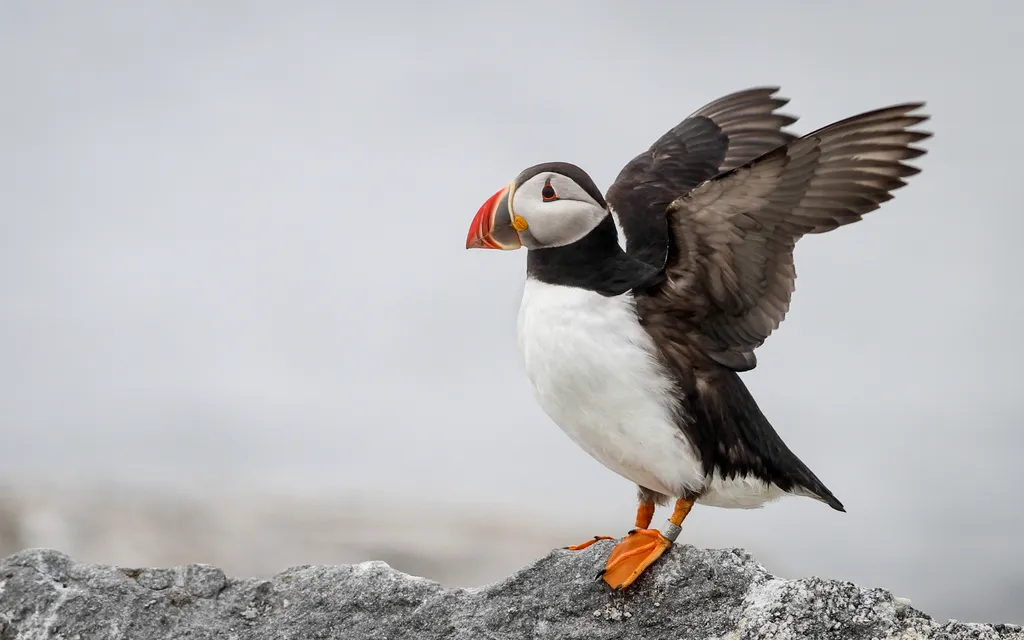
Atlantic Puffins: Maine’s most sought-after bird breeds on just a handful of offshore islands. Conservation efforts led by Project Puffin have restored populations after near-extinction. Machias Seal Island offers the most reliable sightings, while Eastern Egg Rock near Pemaquid is another option.
Bald Eagles: Once endangered, eagles have made a remarkable comeback in Maine. The state now hosts over 700 nesting pairs. Look for them along rivers, lakes, and the coast year-round.
Boreal Specialties: The North Woods hosts species at the southern edge of their range: Spruce Grouse, Black-backed Woodpecker, Boreal Chickadee, and Gray Jay. Aroostook County and Baxter State Park are prime locations.
Top Birding Locations
Acadia National Park: Over 270 species recorded. Cadillac Mountain is excellent for hawk watching during fall migration. Sieur de Monts offers reliable warblers in spring.
Scarborough Marsh: Maine’s largest saltmarsh hosts nesting Saltmarsh Sparrows, migrating shorebirds, and wintering waterfowl.
Biddeford Pool: One of the best shorebird spots in New England during fall migration. The tidal flats attract thousands of sandpipers and plovers.
Quoddy Head State Park: The easternmost point in the US offers excellent seabird watching and boreal forest species.
Rachel Carson National Wildlife Refuge: Coastal marshes and upland habitat along the southern coast. Great for wading birds and migrating songbirds.
Seasonal Highlights
- Spring (May-June): Warbler migration peaks mid-May. Over 20 species possible in a single morning at good locations. Shorebirds returning north.
- Summer (June-August): Nesting seabirds, including puffins, razorbills, and terns. Boreal species on territory in the North Woods.
- Fall (August-October): Hawk migration along ridges and coast. Massive shorebird numbers at coastal mudflats.
- Winter (November-March): Northern finches (when irruption years occur), Snowy Owls along the coast, sea ducks and alcids offshore.
Resources
- Maine Bird Records Committee: Documents rare sightings and maintains the state checklist.
- eBird: Check recent sightings at hotspots across the state.
- Maine Audubon: Offers field trips, programs, and sanctuary access throughout Maine.
Related Guides
- Complete Birding Guide - Detailed birding locations, species, and seasonal tips
- Best Moose Spots Guide - Wildlife viewing beyond birds
- Maine Wildlife Park - See native Maine wildlife up close
- Baxter State Park Guide - Boreal bird species in wilderness setting
- Monhegan Island Guide - Famous migration trap for birders
- Maine Islands Guide - Seabird colonies and coastal birding
- Photography Spots Guide - Best locations for wildlife photography
Highlights & Species
Pro Tips
- !
Book puffin tours well in advance. Boats to Machias Seal Island fill up months ahead.
- !
Bring a scope for shorebirding at mudflats and marshes.
- !
Dawn and dusk offer the best activity, especially for songbirds.
- !
Join a Maine Audubon field trip to learn local hotspots from expert guides.
Frequently Asked Questions
Where can I see puffins in Maine?
Atlantic Puffins nest on several offshore islands. The most accessible viewing is by boat, from Cutler to Machias Seal Island or from Boothbay Harbor and New Harbor to Eastern Egg Rock. Peak season is roughly mid-May through mid-August, and landings are weather dependent. Book early: Bold Coast Charter Company, which runs the Machias Seal Island trips, says its 2027 dates and reservation opening will be announced in January, and its 2026 season has already concluded.
What's special about Maine birding?
Maine sits at the intersection of northern boreal forest and southern deciduous habitats, attracting species from both zones. The coastline is a major migration corridor, and offshore islands host important seabird colonies.
When is the best time for birding in Maine?
Spring migration (May-June) brings warblers and shorebirds. Summer offers nesting seabirds including puffins. Fall migration (August-October) features hawks and shorebirds. Winter brings northern specialties like Snowy Owls and finches.
Best Regions
Know the Laws
Make sure you have the proper licenses and know the current regulations before you go.
View Official Rules